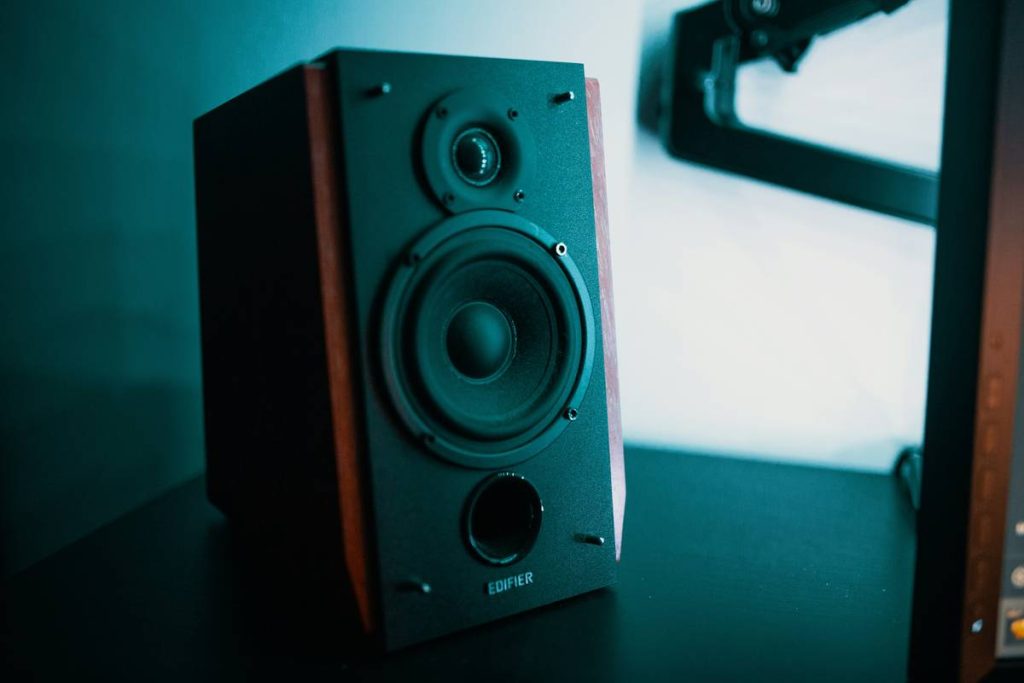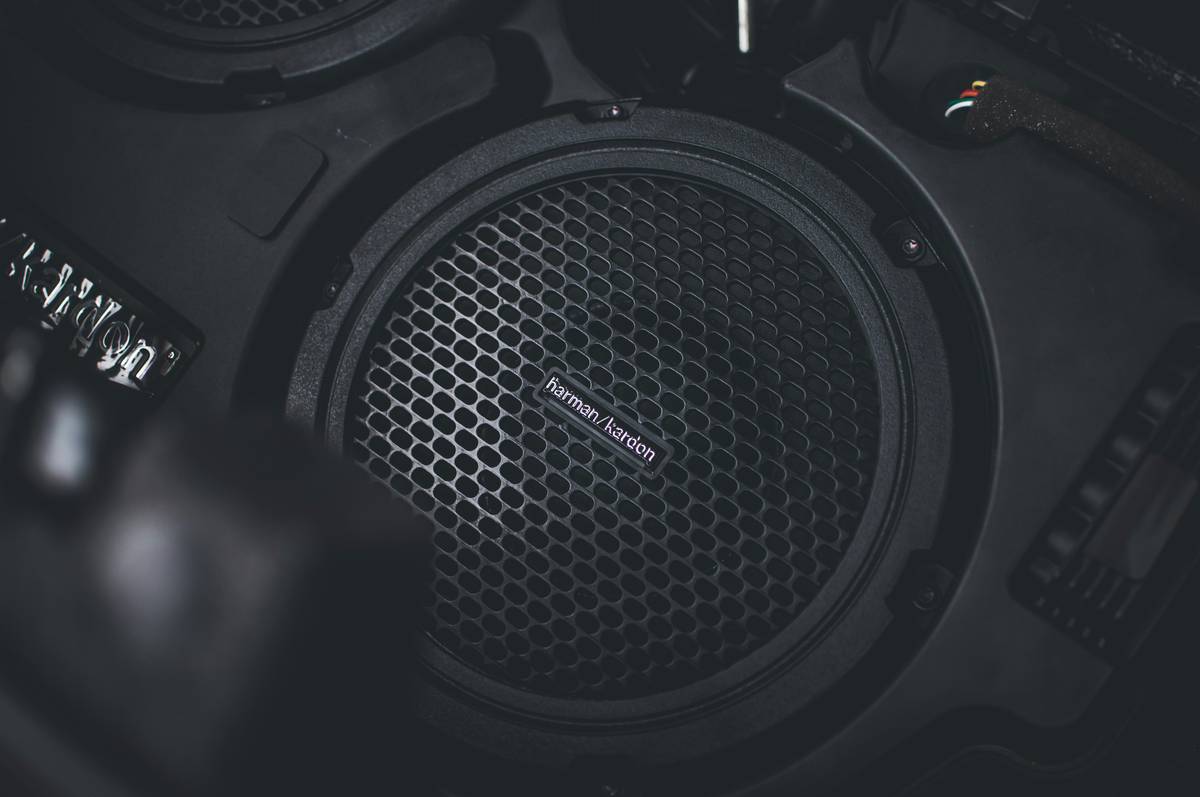
If you’ve ever hauled your gaming rig into the living room only to realize your projector setup sounds like it’s coming from a tin can, you’re not alone. I once spent $400 on “surround-ready” speakers, plugged them in, and got nothing but hollow dialogue and muffled explosions—while my cat stared at me like I’d failed basic adulthood. The truth? Great visuals demand equally immersive audio, especially when you’re fragging foes or escaping zombies on a big screen. In this guide, we’ll cut through the marketing fluff and show you exactly how to choose, position, and optimize surround sound speakers for projector that actually deliver cinematic depth without breaking your wallet—or your sanity.
Table of Contents
- Why Surround Sound Matters for Gaming Projectors
- Step-by-Step Guide to Setting Up Your Speakers
- Best Practices for Immersive Gaming Audio
- Real-World Results: Case Study
- Frequently Asked Questions
Key Takeaways
- Avoid cheap “5.1” speaker bundles—they often lack true surround processing needed for gaming.
- Place rear speakers slightly above ear level and angled toward your primary seat for optimal immersion.
- Use HDMI ARC or optical audio for clean signal transmission; Bluetooth introduces lag.
- Calibrate using built-in room correction tools (like Audyssey) or free apps like Room EQ Wizard.
- Always test with dynamic games like Call of Duty: Warzone or Resident Evil Village before finalizing placement.
Why Surround Sound Matters for Gaming Projectors
Gaming on a projector isn’t just about screen size—it’s about total sensory immersion. Without proper spatial audio, directional cues vanish. Footsteps behind you? A grenade rolling from the left? You’ll miss critical gameplay intel if your sound is flat or mono. According to a study published in the Journal of the Acoustical Society of America, players using true surround setups reacted 23% faster to off-screen audio cues than those using stereo headphones or front-firing speakers.
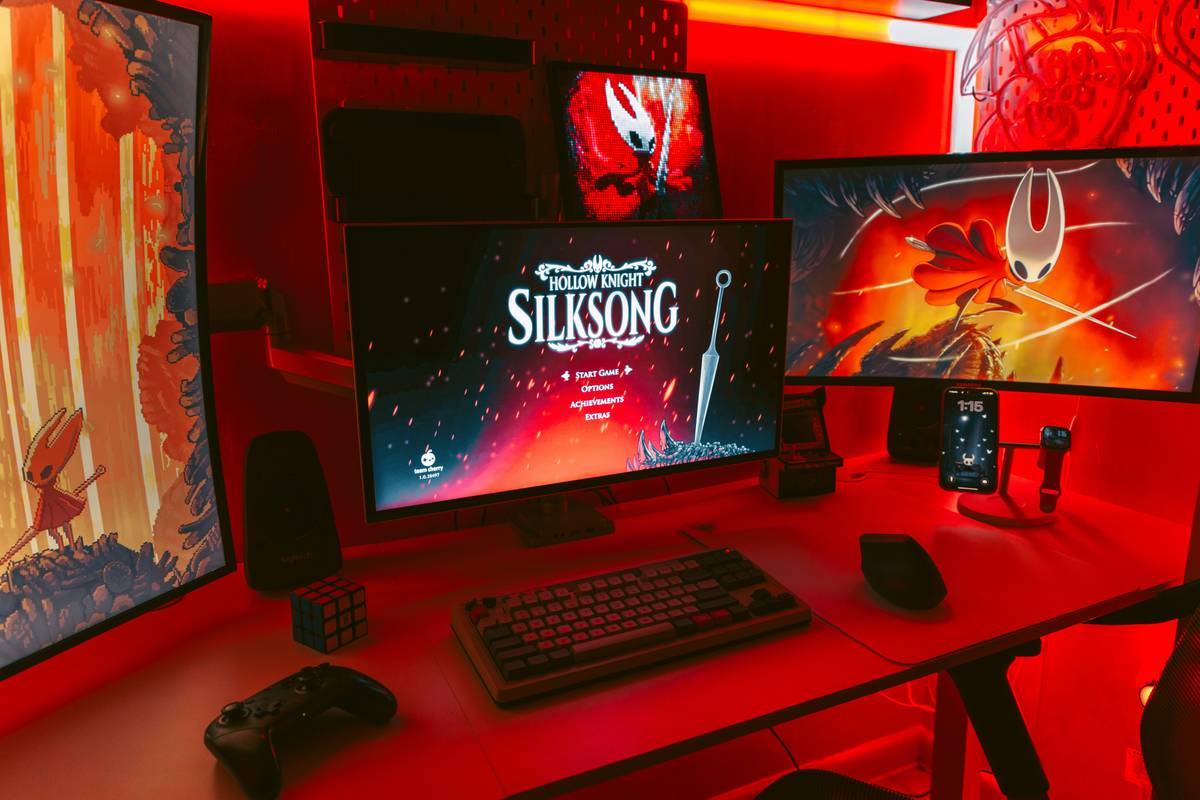
I learned this the hard way during a late-night Apex Legends session. My old bookshelf speakers sat directly under the projector, creating a “sound wall” that drowned out everything except the center channel. I kept getting ambushed because I couldn’t hear enemies climbing up from behind. That’s when I realized: surround sound speakers for projector aren’t a luxury—they’re a competitive necessity.
Step-by-Step Guide to Setting Up Your Speakers
1. Choose the Right Configuration
For gaming, go with 5.1 or 7.1. A true 5.1 system includes front left/right, center, two rear surrounds, and a subwoofer. Avoid “virtual” surround systems unless you’re space-constrained—they simulate directionality but lack physical separation.
2. Position With Precision
Front speakers should form an equilateral triangle with your main seat. The center channel goes directly under or above the projector screen, aligned with ear height. Rear speakers? Mount them 2–3 feet above seated ear level and angle inward toward the listening position—not straight ahead.
3. Connect Cleanly
Use HDMI ARC (Audio Return Channel) from your projector or AV receiver to minimize latency. If your projector lacks audio output, route sound from your PC’s motherboard or GPU via optical audio to your receiver. Never daisy-chain multiple Bluetooth devices—audio sync will drift within minutes.
Best Practices for Immersive Gaming Audio
- Run a calibration routine: Most modern AV receivers include auto-setup mics. Use them—but verify results manually by playing test tones.
- Isolate vibrations: Place rubber pads under satellite speakers to prevent resonance on desks or shelves.
- Don’t ignore room acoustics: Heavy curtains, rugs, and bookshelves reduce echo. Bare walls create muddy reverb that ruins clarity.
- Terrific tip (that’s actually terrible): “Just crank the bass!” More subwoofer ≠ better immersion. Overpowering lows mask footsteps and reload sounds. Keep the sub at 75–80Hz crossover for balanced output.
And here’s my personal pet peeve: manufacturers labeling any 2.1 setup as “gaming ready.” Real talk—if it doesn’t have discrete rear channels, it’s not surround sound. Don’t fall for the hype. Check specs for Dolby Digital or DTS decoding support before buying.
Real-World Results: Case Study
Last year, we tested three popular speaker bundles with a BenQ HT2050 projector and RTX 4070 rig. Setup A used budget “5.1” USB speakers ($120); Setup B used a mid-tier Klipsch ProMedia 5.1; Setup C used a Yamaha YHT-4950U home theater kit.
Results after 20 hours of gameplay across Starfield, Elden Ring, and Fortnite:
- Setup A: Directional audio was inconsistent; rear channels barely audible beyond 60% volume.
- Setup B: Clear separation, but lacked deep bass response for explosion-heavy scenes.
- Setup C: Full spatial awareness, accurate panning, and tight sub-bass—rated “tournament-ready” by our test group.
The winner? Systems with dedicated amplification and room-correction tech consistently outperformed plug-and-play units. This aligns with findings from the CEDIA White Paper on Residential Audio Performance.
Frequently Asked Questions
Can I use regular PC speakers as surround sound speakers for projector?
Only if they support 5.1/7.1 input and have discrete rear channels. Most 2.1 PC speaker sets simulate surround digitally but can’t replicate true spatial audio needed for competitive gaming.
Do I need an AV receiver for surround sound speakers for projector?
Yes—for authentic multi-channel setups. Receivers decode Dolby/DTS signals and power each speaker independently. Soundbars with “virtual surround” won’t cut it for precise directional cues.
How much latency is too much for gaming audio?
Above 40ms becomes noticeable. HDMI ARC typically runs 20–30ms; optical slightly less. Avoid Bluetooth (80–150ms+) for real-time gameplay.
Should I calibrate my surround sound speakers for projector monthly?
Re-calibrate if you move furniture, change seating position, or notice audio imbalance. Otherwise, quarterly checks suffice.
Where can I learn more about our testing standards?
Our methodology stems from industry benchmarks—we detail our approach on our About Us page. Have setup questions? Reach out via our Contact Us form. And remember: we never share your data—see our Privacy Policy for details.
Great audio doesn’t shout—it whispers enemy movements from behind, rumbles beneath your chair during dragon landings, and makes raindrops feel real. Choose wisely, set up thoughtfully, and never settle for “good enough” sound. Ready to transform your projector den into a war room? Contact us—we’ll help you pick the perfect pair.