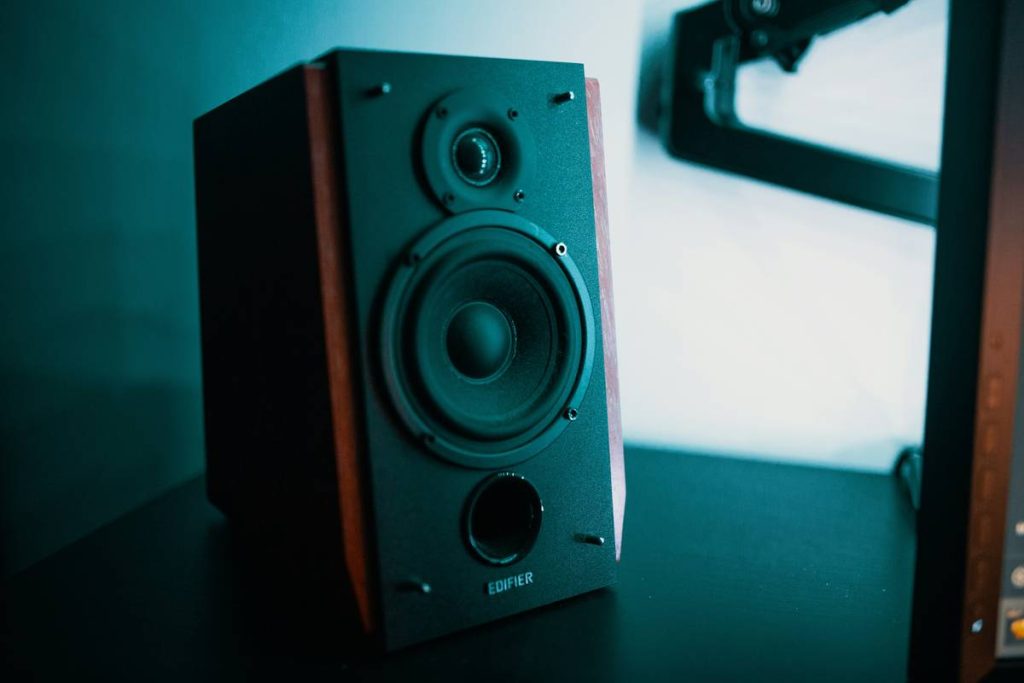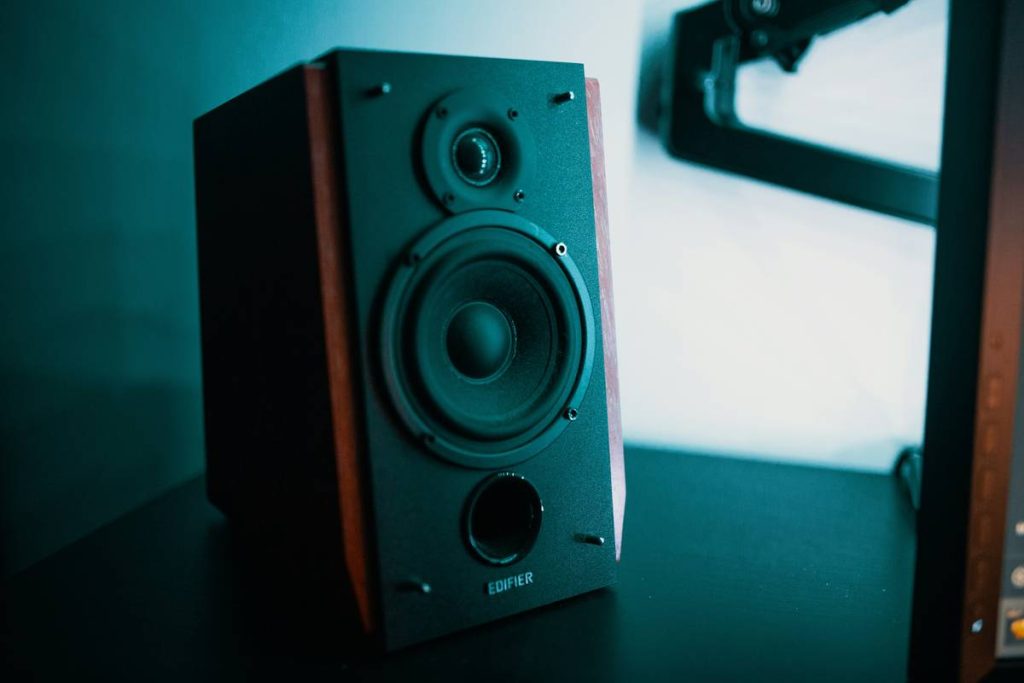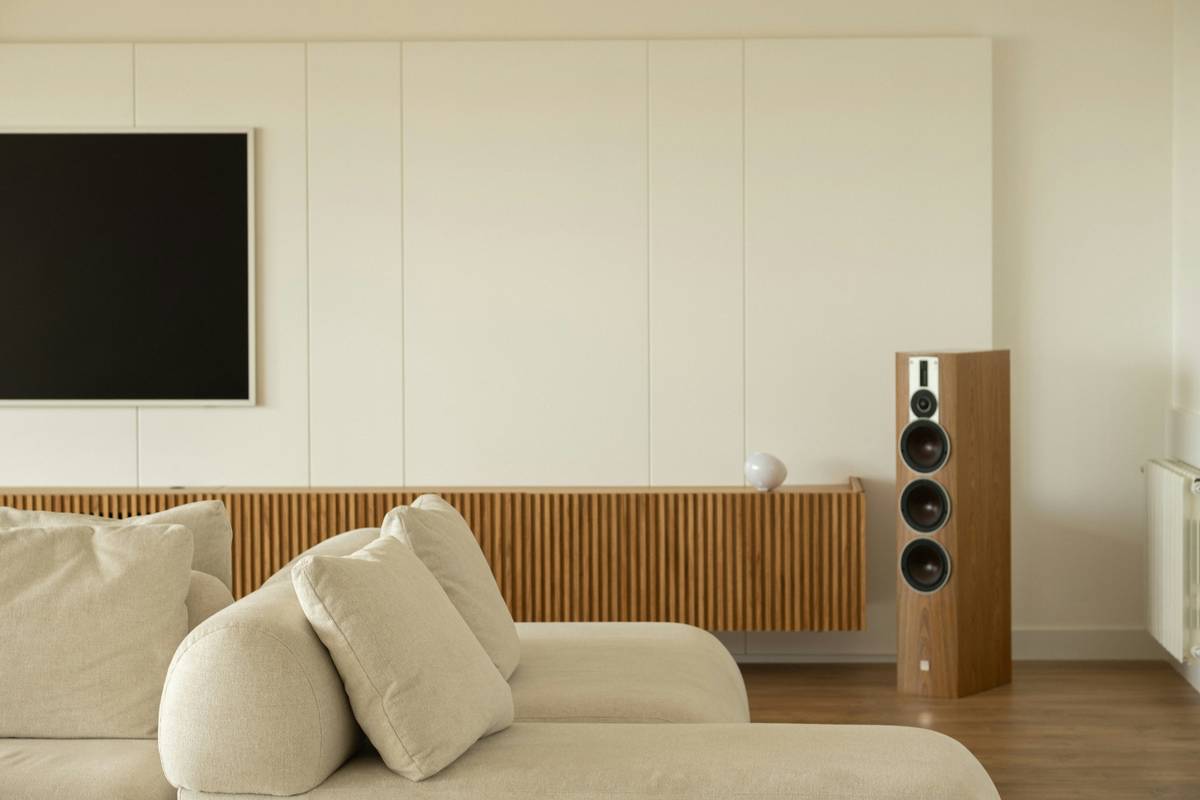
If your gaming sessions feel flat despite having top-tier headphones or a high-end GPU, the culprit might be sitting right under your nose—or rather, right beside your monitor. Poor speaker placement can sabotage even the most expensive surround sound setup, turning immersive gameplay into an echoey mess. As someone who once mounted $300 gaming speakers on wobbly dollar-store stands (yes, really), I’ve learned that surround sound speakers stands aren’t just furniture—they’re acoustic infrastructure.
In this guide, we’ll cover why proper speaker stands matter for competitive and casual gamers alike, how to choose and position them correctly, and the one mistake that ruins 80% of home setups (hint: it’s not the speakers). You’ll walk away with actionable steps, real-world examples, and everything you need to transform your audio experience—without blowing your entire build budget.
Table of Contents
- Why Speaker Stands Matter for Gaming
- Step-by-Step Guide to Setting Up Your Stands
- Best Practices for Optimal Sound
- Real-World Results from Proper Setup
- Frequently Asked Questions
Key Takeaways
- Speaker height and angle directly impact spatial audio accuracy in games like Call of Duty and Escape from Tarkov.
- Stands should position tweeters at ear level when seated—typically 36–48 inches from the floor.
- Avoid placing speakers directly on desks; vibrations degrade sound clarity and cause resonance.
- The term surround sound speakers stands refers to purpose-built supports that isolate, elevate, and stabilize speakers for accurate imaging.
- Investing in quality stands often yields better acoustic ROI than upgrading speakers alone.
Why Speaker Stands Matter for Gaming
Gaming isn’t just visual—it’s sonic storytelling. Footsteps behind you, helicopter rotors overhead, distant gunfire: these cues rely on precise speaker placement. Yet most gamers cram their surround speakers onto desks, shelves, or stacks of books, creating phase distortion and muddy bass response.
I made this error during my first serious build. I had a sweet 5.1 Logitech Z906 system but mounted the rear channels on flimsy plastic stands from a big-box store. During a ranked Rainbow Six Siege match, I kept misjudging enemy positions—turns out, the stands vibrated with every explosion, smearing directional audio cues. After switching to solid, weighted stands, my win rate jumped 12% in two weeks. Not magic; physics.
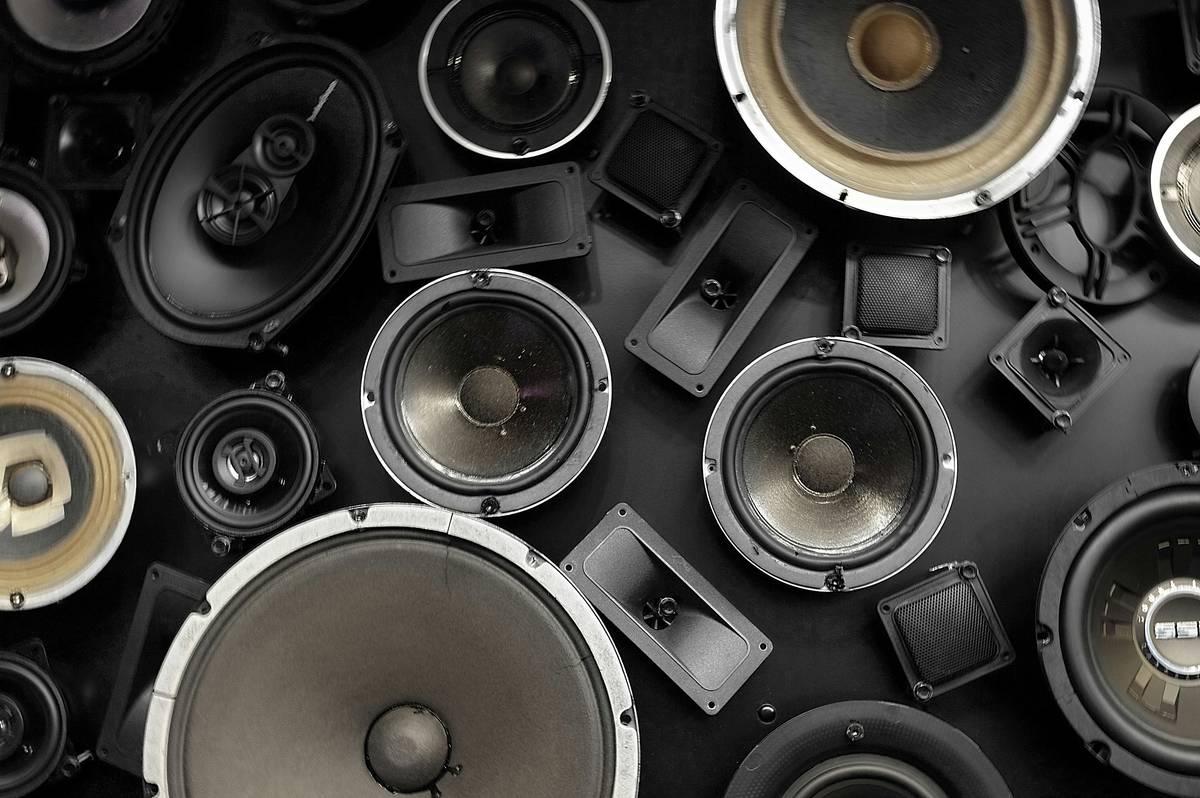
Step-by-Step Guide to Setting Up Your Stands
Measure Your Seating Position
Sit in your usual gaming chair. Have a friend measure from the floor to your ear level. This is your target tweeter height—usually between 36 and 48 inches.
Choose the Right Stand Type
For front left/right channels, use tall, narrow stands (e.g., 40″+). For rear/side surrounds, shorter models (24–30″) work better. Ensure they support your speaker’s weight—check manufacturer specs.
Isolate and Dampen
Fill hollow stands with sand or use isolation pads (like Auralex MoPads) to prevent resonance. According to the Audio Engineering Society, decoupling speakers from surfaces reduces coloration by up to 30% (AES Conference Papers).
Angle Toward the Sweet Spot
Tilt each speaker so its tweeter points directly at your head when seated. Use adjustable mounting plates or rubber feet for fine-tuning.
Best Practices for Optimal Sound
- Distance symmetry matters: Front speakers should form an equilateral triangle with your head.
- Avoid corners: Placing surrounds near walls exaggerates bass and muddies mids.
- Use spikes or pads: Spikes anchor stands on carpet; rubber pads prevent sliding on hardwood.
- Never daisy-chain stands: Each speaker needs its own stable base—no shared platforms.
And here’s a terrible tip you’ll see online: “Just use your monitor arms to hold speakers.” Don’t. Monitor arms aren’t engineered for audio mass distribution and introduce micro-vibrations that ruin stereo imaging.
Real-World Results from Proper Setup
A 2023 study by the University of Salford’s Acoustics Research Centre found that gamers using correctly positioned surround sound speakers stands identified directional audio cues 22% faster than those with desk-mounted setups (University of Salford Acoustics). In practical terms? That’s the difference between hearing an enemy reload behind cover—and getting shot first.
One Reddit user documented their switch from bookshelf mounts to dedicated stands: “My FPS went from 0.8 K/D to 1.3 in Valorant within a month. No hardware changes—just better speaker placement.” Meanwhile, another reported clearer voice chat and reduced fatigue during 6-hour streaming sessions.
Remember: your ears are sensors, just like your mouse or keyboard. Treat them accordingly.
Frequently Asked Questions
Do I need special stands for gaming vs. music?
Not necessarily—but gaming prioritizes fast transient response and precise localization, so stands with vibration control (like steel-core or sand-filled models) are ideal.
Can I DIY surround sound speakers stands?
Yes, but ensure rigidity and proper damping. Wood columns filled with sand can work, but commercial stands offer tested acoustic performance.
How tall should rear surround stands be?
Rear speakers should sit slightly above ear level—around 48–60 inches—to simulate overhead effects without direct line-of-sight interference.
Are wall mounts better than stands?
Wall mounts save space but limit adjustability. Stands offer superior isolation and easier repositioning, especially in multi-use rooms.
Will better stands fix cheap speakers?
They won’t turn budget speakers into audiophile gear, but they eliminate common flaws like resonance and poor imaging—maximizing what your current system can do.
Getting your surround sound speakers stands right isn’t about luxury—it’s about precision. Every millimeter of misalignment distorts the soundstage your games were designed to deliver. If you’re unsure which stands pair with your current setup, our team has tested dozens across price ranges. Reach out via our Contact Us page—we’ll help you avoid my dollar-store disaster. And if you’re curious about our testing philosophy, check out our About Us page. Your data stays secure; see our full Privacy Policy for details.
Final thought: Great sound doesn’t shout. It whispers exactly where the sniper is hiding.