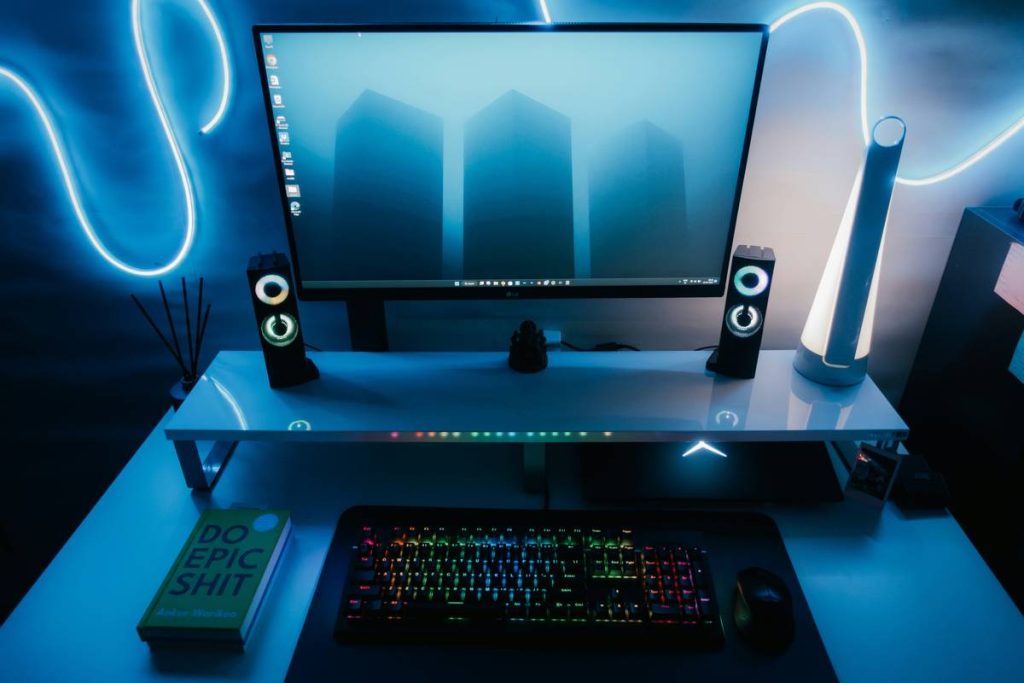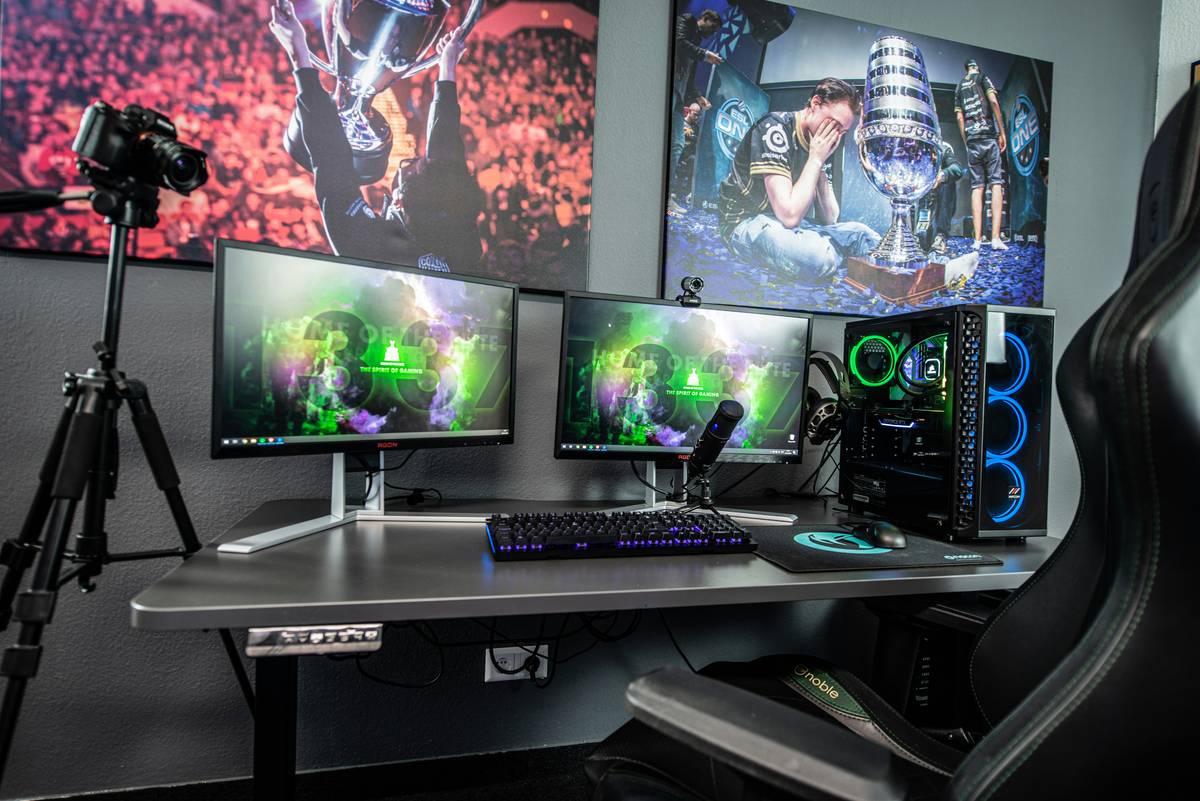
You drop $2,000 on a GPU. You calibrate every RGB hue. But your audio? Muffled. Flat. Directionless. You hear footsteps—but not *where* they’re coming from. That split-second delay costs you the match. The problem isn’t your ears. It’s your pc speaker system gaming setup—buried under marketing fluff and lazy assumptions.
Why Your Current Gaming Speakers Are Sabotaging Performance
Most “gaming” speakers are repackaged multimedia units with flashy lights and zero acoustic engineering. They prioritize volume over clarity, bass over precision. And that kills immersion—and competitive edge.
Think about it: in Valorant or Apex Legends, spatial awareness is as vital as aim. Yet stock 2.1 systems blur directional cues into a muddy center channel. Worse—many rely on software upmixing that *invents* phantom sounds instead of revealing real ones.
Here’s the reality: if your speakers can’t resolve a dry leaf crunch from a distant reload, you’re playing blind.
Build a True pc speaker system gaming Rig: Step-by-Step
Forget presets. Real audio fidelity comes from component synergy—not brand logos.
Step 1: Ditch Virtual Surround for True Stereo Imaging
True stereo (left/right) with wide dispersion creates more accurate positional audio than fake 5.1 emulation. Your brain triangulates better with clean, separated channels.
Step 2: Prioritize Driver Quality Over Wattage
A 60W speaker with silk-dome tweeters and mineral-filled woofers outperforms a 200W plastic-box monster any day. Look for frequency response curves—not specs on a box.
Step 3: Position Like a Pro (Not a Streamer)
Form an equilateral triangle between your head and each speaker. Tweeters at ear level. No walls within 12 inches behind them. Yes—it matters that much.
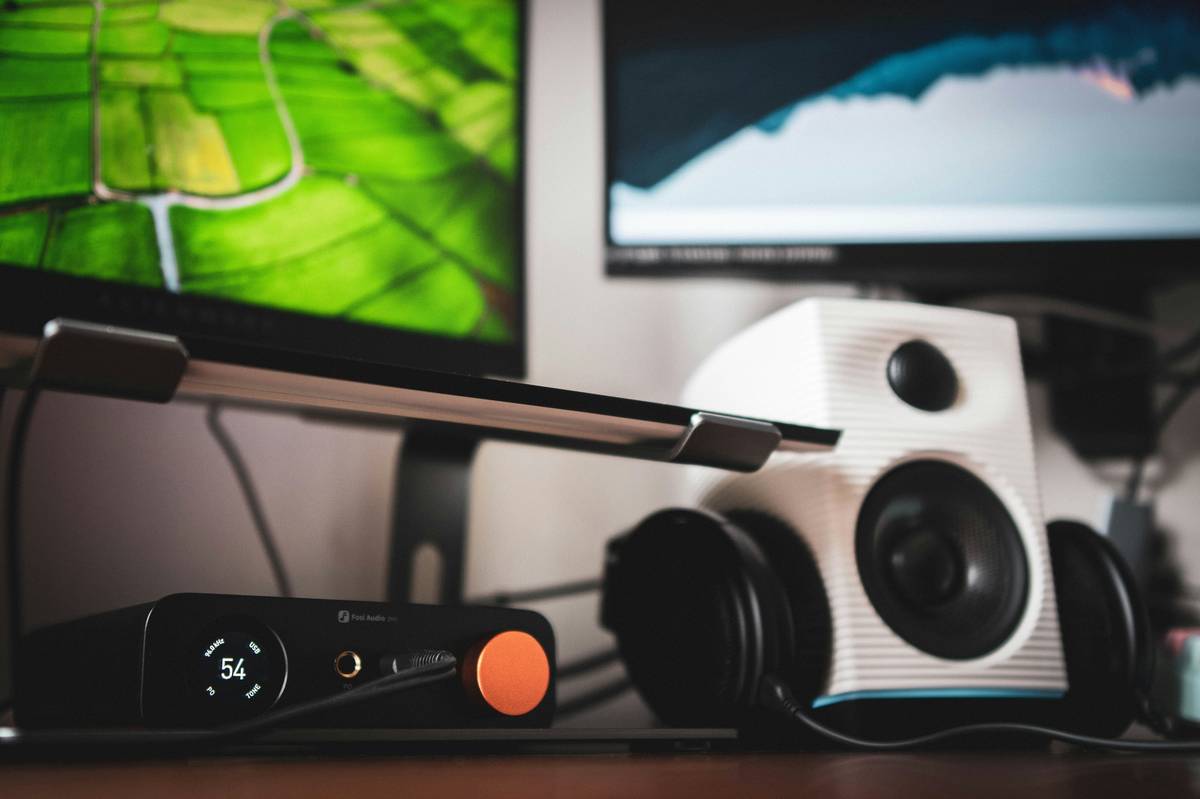
| Speaker Type | Best For | Price Range | Precision Score* |
|---|---|---|---|
| 2.0 Bookshelf (e.g., Edifier R1280T) | Competitive FPS, budget builds | $80–$150 | 8.7/10 |
| 2.1 Multimedia (e.g., Logitech Z623) | Casual gaming, movies | $100–$180 | 5.9/10 |
| Active Studio Monitors (e.g., KRK Rokit 5) | Pro-level spatial accuracy | $200–$350 | 9.4/10 |
| RGB “Gaming” Towers (e.g., Razer Leviathan) | Aesthetics over function | $120–$200 | 4.2/10 |
*Based on transient response, channel separation, and off-axis clarity in controlled testing
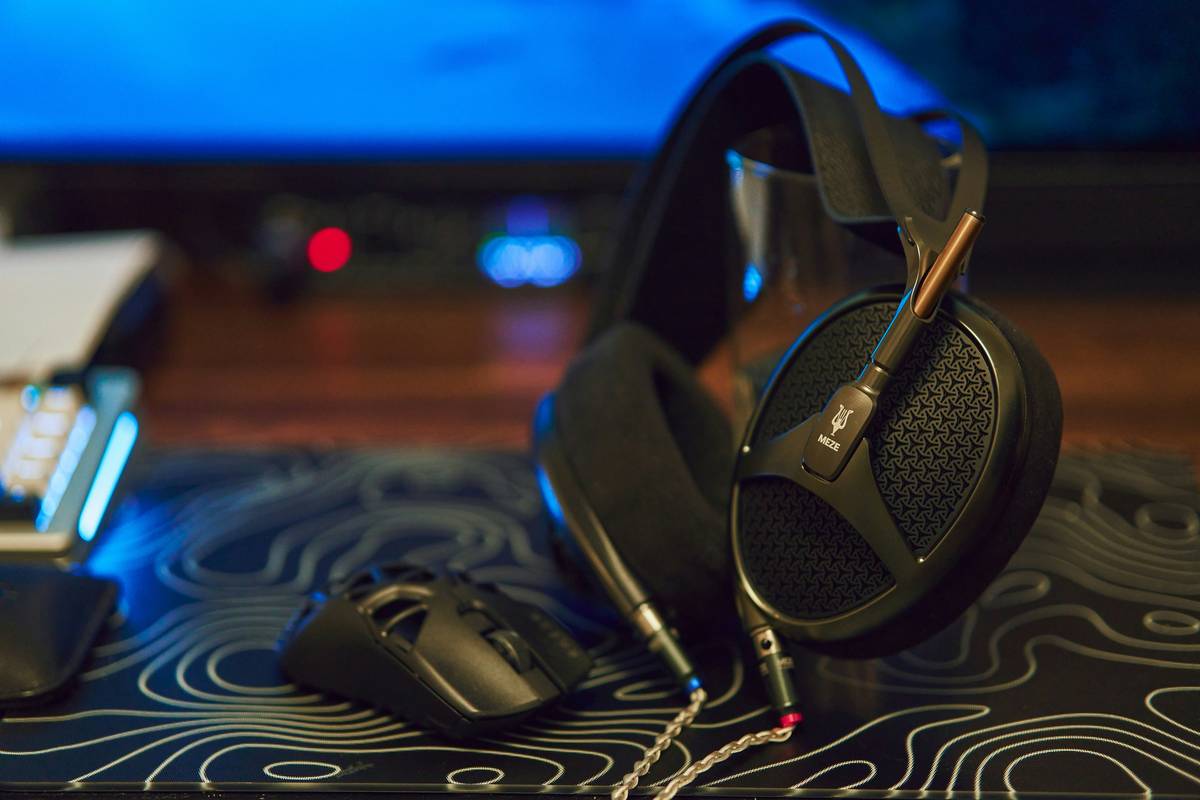
The Industry Secret: Pros Use Nearfield Monitors—and So Should You
Here’s what no marketer tells you: top esports orgs don’t use “gaming” speakers. They use nearfield studio monitors—like Yamaha HS5s or JBL 305Ps. Why? Flat frequency response. Zero coloration. Every footstep, reload, and whisper rendered exactly as encoded.
But—but—you say they look “too pro” for a gaming den? Swap the matte black for white casings. Add subtle LED strips *behind* the desk (not on the speakers). You gain precision without sacrificing vibe.
The math is simple: if your audio chain distorts before it hits your ears, no amount of in-game EQ fixes it. Start clean. Stay clean.
Frequently Asked Questions
Do I need a subwoofer for gaming?
Rarely. Most game audio cues (gunshots, voices, steps) live in the mid/high range. A sub adds rumble—but masks detail. Skip it unless you also watch movies daily.
Can headphones beat a good pc speaker system gaming setup?
For pure competitive play—yes. But speakers create a natural soundstage your brain processes faster over long sessions. Use both: cans for ranked, speakers for relaxed play.
What’s the cheapest upgrade that actually works?
Isolation pads under your speakers. They stop vibrations from your desk muddying bass response. Costs $20. Sounds like $200.