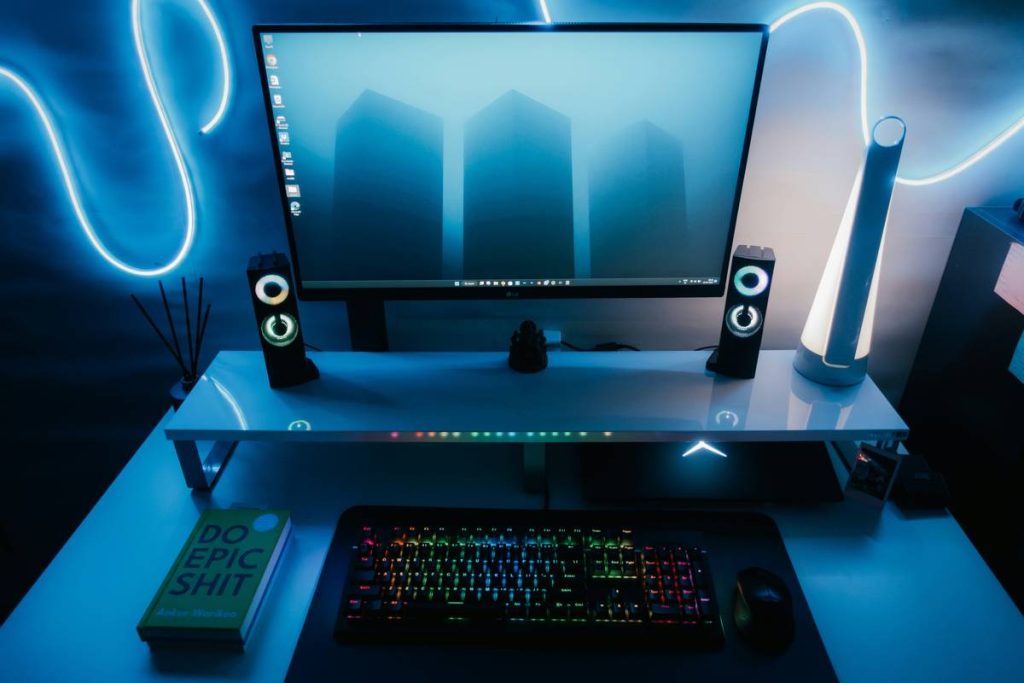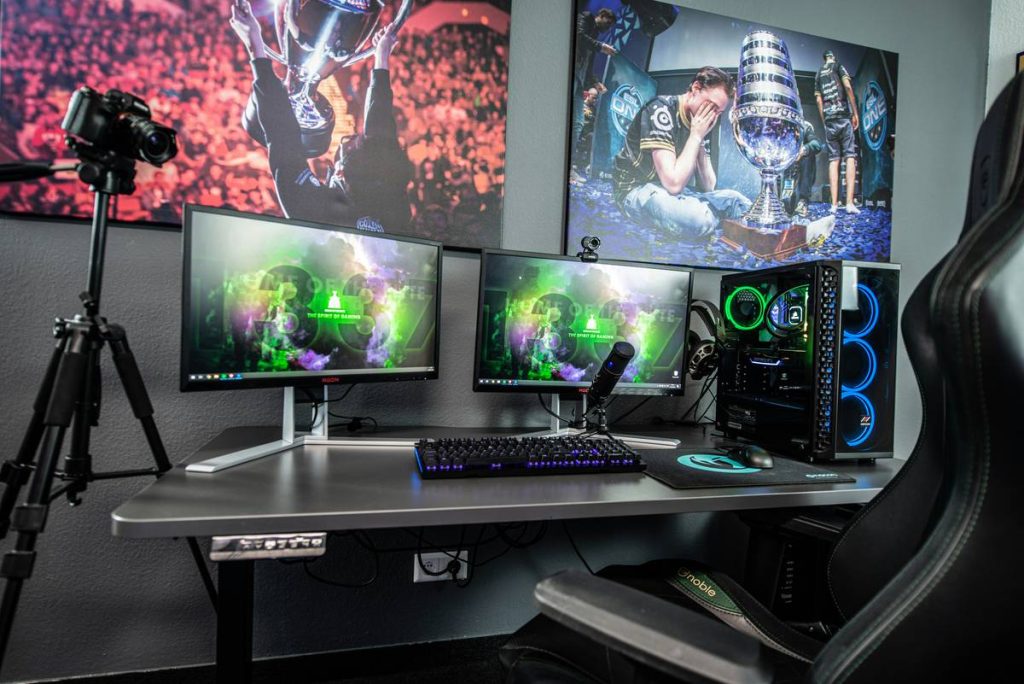
You’re missing footsteps. Explosions sound flat. That subtle reload cue? Gone. Most gamers blame their ears—or their games—when the real culprit is sitting silently on their desk: underpowered, poorly positioned, or outright neglected pc speakers for gaming. It’s not about volume. It’s about spatial precision, dynamic range, and the visceral thump that makes your chair vibrate when a boss appears.
The Core Problem: Gaming Audio Isn’t Music—So Why Treat It Like It?
Standard PC speakers are engineered for podcasts, Zoom calls, and maybe some Spotify. They roll off bass below 80Hz and smear directional cues into a mono mush. And headsets? They isolate you—but they also compress soundstage, flatten verticality, and fatigue your ears during marathon sessions. Think about it: competitive FPS players rely on audio cues measured in milliseconds. A muddy speaker setup could cost you the round. Worse—it kills immersion. That cinematic orchestral swell in God of War Ragnarök deserves more than tinny plastic cones.
How to Choose & Set Up pc speakers for gaming That Actually Win Rounds
Step 1: Skip the “Gaming” Label—Focus on These Specs Instead
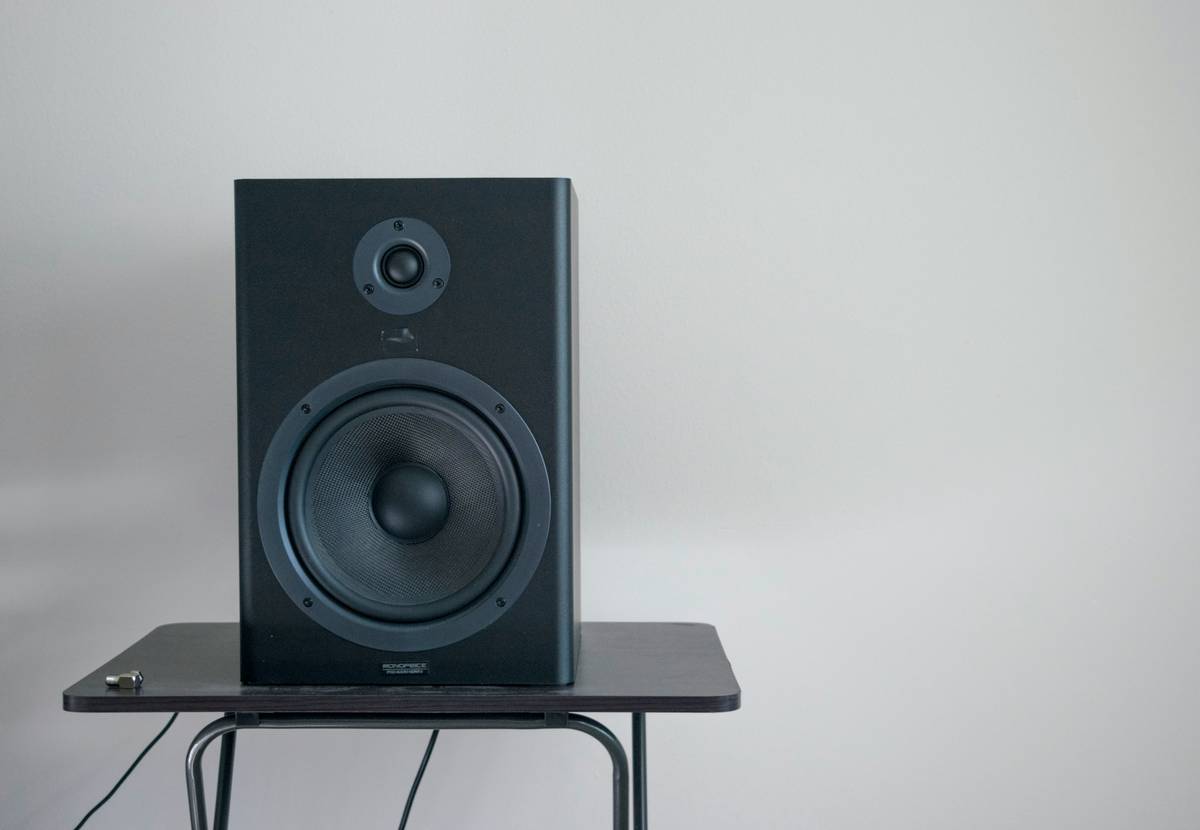
Brands slap “RGB” and “gaming” on everything. Ignore the hype. Prioritize frequency response (aim for 40Hz–20kHz), amplifier wattage (minimum 20W RMS per channel), and driver material (Kevlar or woven composites beat cheap paper). Real talk: many studio monitors outperform so-called “gaming” speakers at the same price point.
Step 2: Position Like a Pro—Not Just “On the Desk”
Angle speakers inward to form an equilateral triangle with your head. Keep tweeters at ear level—no exceptions. Elevate them if needed. And decouple from your desk using foam pads or stands; vibrations ruin clarity. Distance matters too. Too close = exaggerated bass. Too far = lost detail. The math is simple: measure your typical viewing distance. Match it.
Step 3: Tweak Settings Beyond “Max Volume”
Windows Sonic or Dolby Atmos for Headphones? Disable them for speakers. Use your motherboard’s audio control panel (Realtek HD Audio Manager, etc.) to enable 2.1 or 5.1 output—even if you only have two speakers. Boost the center channel slightly for voice clarity. And never, ever max out bass gain—it just distorts. Subtlety wins.
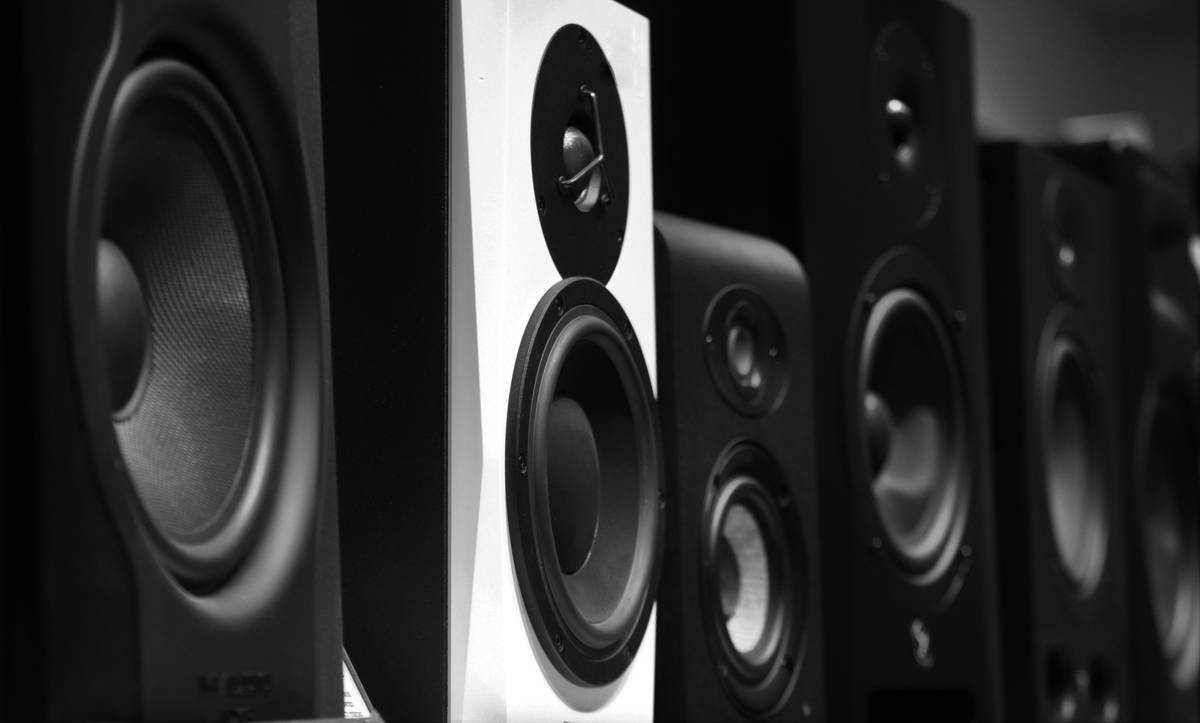
| Speaker Type | Price Range | Gaming Strengths | Weaknesses |
|---|---|---|---|
| 2.0 Bookshelf | $100–$250 | Crisp imaging, tight bass, no sub needed | Limited low-end rumble |
| 2.1 Multimedia | $60–$150 | Punchy explosions, compact footprint | Bass often boomy/uncontrolled |
| Studio Monitors | $150–$400 | Neutral tuning, precise directional audio | No RGB; aesthetics can be clinical |
| Dedicated Gaming Speakers | $80–$200 | RGB lighting, mic passthrough, USB | Sacrifice sound quality for features |
The Industry Secret: Pros Use Speakers + Headsets—Simultaneously (Here’s How)
Top streamers and esports coaches don’t choose between headset or speakers—they use both. How? They route game audio to speakers for spatial awareness and environmental immersion, while sending comms (Discord, TeamSpeak) directly to the headset. This keeps team chatter crystal clear without drowning out ambient cues. You’ll need software like VoiceMeeter or a DAC with multiple outputs—but the payoff is unreal situational awareness. And yes, it works even on a mid-tier rig. The trick? Mute game audio in your comms app to avoid echo. Simple. Effective. Rarely discussed.
FAQ
Do I need a subwoofer for gaming speakers?
Not mandatory—but highly recommended for RPGs, racing sims, or anything with deep bass effects. A compact 6–8” powered sub adds physicality without overwhelming your mix.
Can Bluetooth speakers work for gaming?
Avoid them. Latency (even 100ms) throws off lip-sync and timing. Wired or optical connections are the only reliable choices for real-time gameplay.
Are 5.1 surround speakers better than 2.0 for gaming?
Surprisingly—often no. Most games render audio in virtual surround over stereo anyway. Two high-quality speakers with good imaging beat five cheap satellites every time.