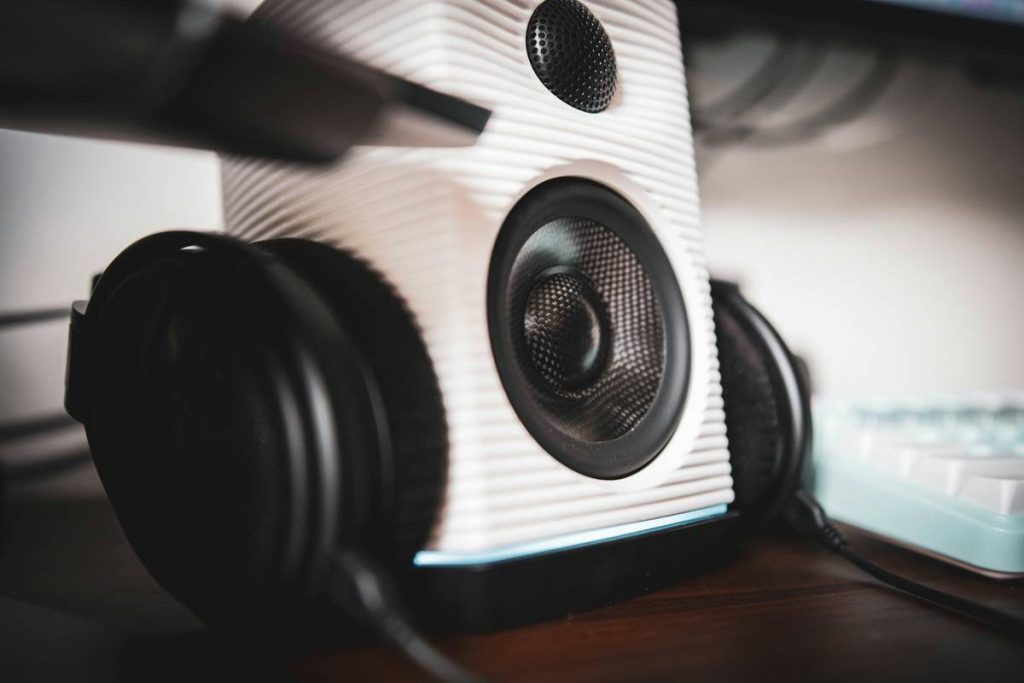
You dropped $300 on a gaming rig with liquid cooling, triple-fan GPU, and mechanical keyboard that clicks like a sniper’s trigger. But your audio? Flat. Lifeless. Buried under cheap plastic speakers masquerading as “gaming gear.” And yes—those flashy rgb speakers for your setup might be making it worse, not better. Here’s how to turn sound into a weapon—not just decor.
Why Your RGB Speakers Suck at Actual Gaming
Most “gaming” speakers prioritize LEDs over drivers. Seriously. Manufacturers slap on rainbow lighting, crank up the bass boost slider in firmware, and call it a day. The result? Muddy mids, distorted highs, and zero directional accuracy in FPS titles. You hear explosions—but not whether they’re coming from behind or above.
RGB ≠ performance. In fact, the circuitry powering those LEDs often introduces electrical noise into the audio signal path. It’s physics—not opinion.
How to Choose and Set Up Real Gaming-Worthy RGB Speakers
Forget specs on Amazon boxes. Build your decision around three pillars: driver quality, placement flexibility, and clean power delivery. Then—and only then—worry about how many colors it can flash.
Driver Size vs. Room Size
A 2.1 system with a 5-inch sub might roar in a dorm room. In a 12×12 bedroom? It’ll rattle your desk and drown out footstep cues. Match driver diameter to cubic footage—or don’t bother.
Cable Management Isn’t Optional
Those extra USB and 3.5mm cables feeding your RGB controller? They act as antennas for interference. Keep them away from GPU power leads. Use ferrite cores. Sounds nerdy—until you hear clear reload sounds in Valorant instead of static buzz.
Software Control: Blessing or Curse?
Some RGB speaker suites force you into bloated apps just to toggle lighting. Worse—they throttle audio processing through the same software layer. Look for models with onboard controls or native OS-level integration. Less code = cleaner sound.
| Model Type | True Frequency Response | RGB Power Draw | Gaming Verdict |
|---|---|---|---|
| Budget (<$80) | 80Hz–18kHz (rolled-off highs) | Shared audio bus → audible noise | Avoid for competitive play |
| Mid-Tier ($80–$180) | 55Hz–20kHz ±3dB | Dedicated LED rail → minimal interference | Ideal for immersive single-player + casual MP |
| Premium ($180+) | 45Hz–22kHz flat response | Separate PSU or USB-C PD | Worth it for FPS/esports edge |
The Industry Secret: Your Motherboard’s Audio Chip Is Sabotaging You
Here’s what no review tells you: most RGB speakers still rely on your motherboard’s built-in audio codec—usually a Realtek ALC892 or similar budget chip. That thing leaks EMI like a sieve. Even with $200 speakers, if you’re plugged into rear I/O, you’re hearing digital hash disguised as ambiance.
The fix? Bypass it entirely. Use a DAC (even a $30 one) or go optical/USB directly to the speaker if supported. Suddenly, footsteps in CS2 gain texture. Rain in Cyberpunk has dimension. And yes—your rgb speakers for finally deliver what they promised.
But wait—doesn’t RGB draw more power? Only if it’s poorly engineered. The best models isolate lighting circuits on separate voltage regulators. Ask manufacturers. If they can’t tell you, walk away.

Frequently Asked Questions
Do RGB speakers affect gaming performance?
No impact on FPS—but poor designs introduce audio distortion that hurts spatial awareness. Competitive players should prioritize clean signal over lighting.
Can I sync RGB speakers with Razer Chroma or ASUS Aura?
Only if explicitly stated. Most budget RGB speakers use proprietary software. Check compatibility before buying—sync isn’t universal.
Are 2.1 or 2.0 RGB speaker setups better for gaming?
2.0 for precision (FPS, tactical shooters). 2.1 for immersion (RPGs, racing). Never choose subwoofer size over midrange clarity in competitive scenarios.