You just dropped serious cash on premium gaming speakers—only to waste an hour wrestling with static, silence, or that cursed “no audio device” error. It shouldn’t be this hard. Forget vague manufacturer instructions and YouTube tutorials filmed in blurry 240p. Here’s the exact, step-by-step method used by competitive streamers and audio engineers—with zero fluff.
Why Most Gamers Fail at Connecting Gaming Speakers
They plug blindly into the wrong port and assume Windows will “just figure it out.” And it rarely does. Motherboards now ship with six color-coded audio jacks, optical outputs, Bluetooth 5.3, and USB-C—all while your OS defaults to HDMI audio because your GPU is hooked to a monitor with speakers (that you never use). The system prioritizes convenience over clarity. So your $300 gaming rig pumps sound through tinny monitor speakers instead of your new 2.1 setup.
This isn’t user error—it’s poor design masked as flexibility.
gaming speaker how to connect pc: A Foolproof Step-by-Step Method
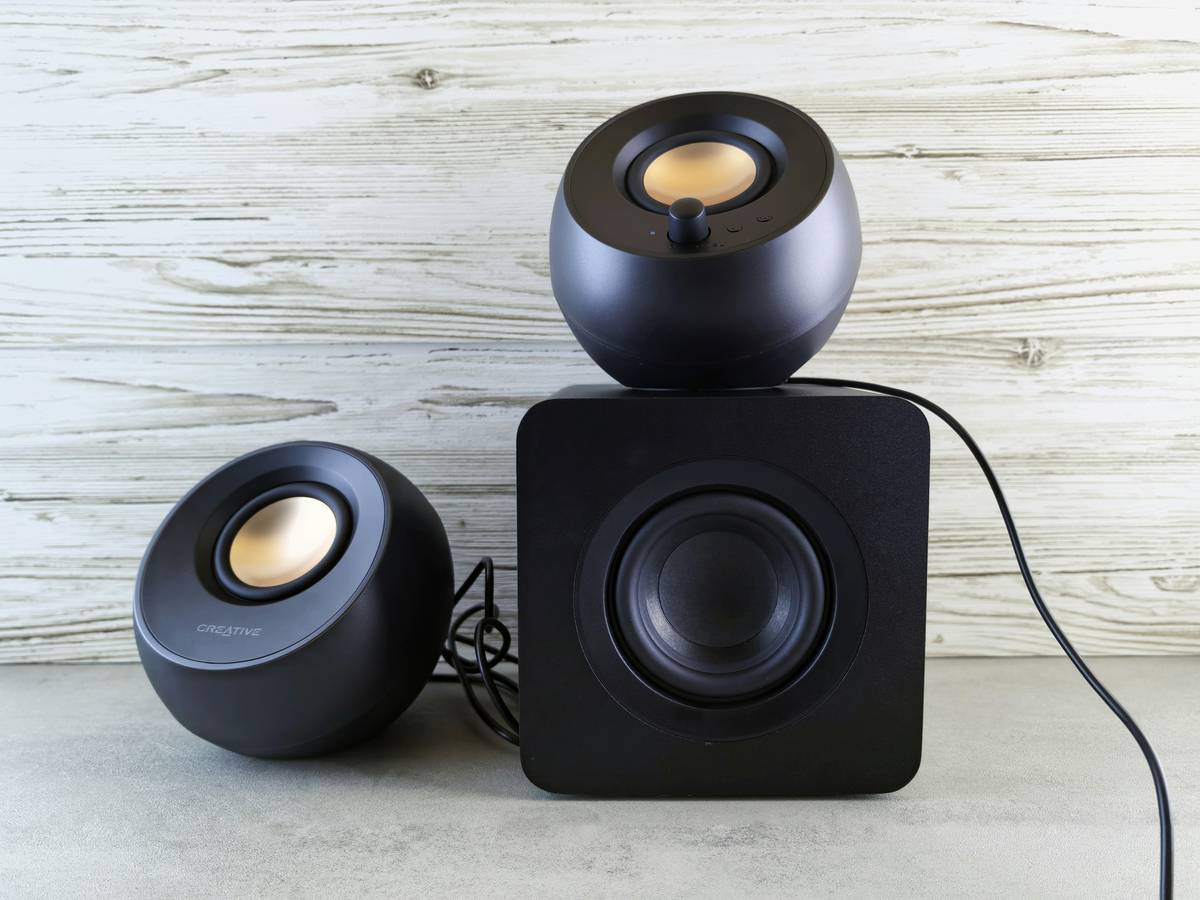
Start by identifying your speaker type. Not all “gaming speakers” are created equal—and your connection method depends entirely on their input capabilities.
Wired Analog (3.5mm or RCA)
Plug the green 3.5mm jack into the matching green port on your PC’s rear I/O panel—not the front panel. Front ports often share bandwidth with USB and degrade signal quality. If your speakers use RCA, you’ll need a 3.5mm-to-dual-RCA cable. Then, in Windows Sound Settings, set your playback device to “Speakers (Realtek Audio)” or similar—not HDMI or DisplayPort.
USB-Powered Gaming Speakers
These bypass your motherboard’s audio chipset entirely. Plug into any USB port, wait for driver auto-installation (usually under 10 seconds), then select “USB Audio Device” as your default output. Bonus: Many include inline volume knobs or RGB software—install only if you actually use those features. Bloatware slows boot times.
Wireless (Bluetooth or 2.4GHz)
Avoid Bluetooth for competitive gaming—it adds 100–200ms of latency. Instead, use the included 2.4GHz USB dongle if provided. Pair via the physical button on the subwoofer, not Windows Bluetooth settings. Why? Proprietary RF protocols offer lower latency and better range than standard Bluetooth codecs.
| Connection Type | Latency | Max Audio Quality | Setup Complexity | Best For |
|---|---|---|---|---|
| 3.5mm Analog | Near-zero | 16-bit/48kHz | Low | Esports, budget builds |
| USB Digital | Very low | 24-bit/96kHz+ | Medium | Immersive RPGs, streaming |
| 2.4GHz Wireless | Low (~30ms) | 16-bit/44.1kHz | Low | Cable-free setups, console-PC hybrids |
| Bluetooth | High (>150ms) | Compressed (SBC/AAC) | Medium | Casual media—avoid for gaming |
The Industry Secret: Your Motherboard’s Hidden Audio Advantage
Most gamers never touch their audio driver control panels—but pro streamers live there. Realtek HD Audio Manager (or Creative’s app for SBX cards) lets you disable front-panel jack detection, force multi-channel output, and even apply noise suppression before the signal hits Discord. Here’s the kicker: enabling “Speaker Fill” in Realtek can fake 5.1 surround from a 2.1 setup by intelligently upmixing stereo tracks. It’s not true surround—but for footsteps in Valorant? Uncannily effective. Toggle it on, test with Dolby Atmos demos, then decide. Don’t let marketing dictate your audio reality.
Frequently Asked Questions
Can I connect gaming speakers to a laptop?
Yes—if it has a 3.5mm headphone-out or USB port. Avoid using the same jack for mic and audio unless your speakers support TRRS; otherwise, get a USB sound adapter.
Why is there no sound after connecting my gaming speaker how to connect pc?
Check Windows Sound Settings (right-click the speaker icon > Sounds). Your new speakers may be detected but not set as Default Device. Also, ensure they’re powered on—many have rear-mounted switches.
Do I need an amplifier for gaming PC speakers?
Only if they’re passive (no built-in power). Nearly all consumer “gaming speakers” are active (powered)—they plug into wall outlets and amplify internally. Passive models require separate amps and are rare in this niche.