You’ve maxed out your GPU. Your RGB flows like liquid neon. But your audio? It’s tinny, directionless—barely keeping up. Most gamers treat sound as an afterthought. Big mistake. Immersion dies the moment gunfire lacks punch or footsteps vanish into digital fog. The fix isn’t another generic headset. It’s a dj system with speakers—engineered for clarity, depth, and spatial precision that pulls you inside the game.
Why Standard Gaming Speakers Fail Hardcore Players
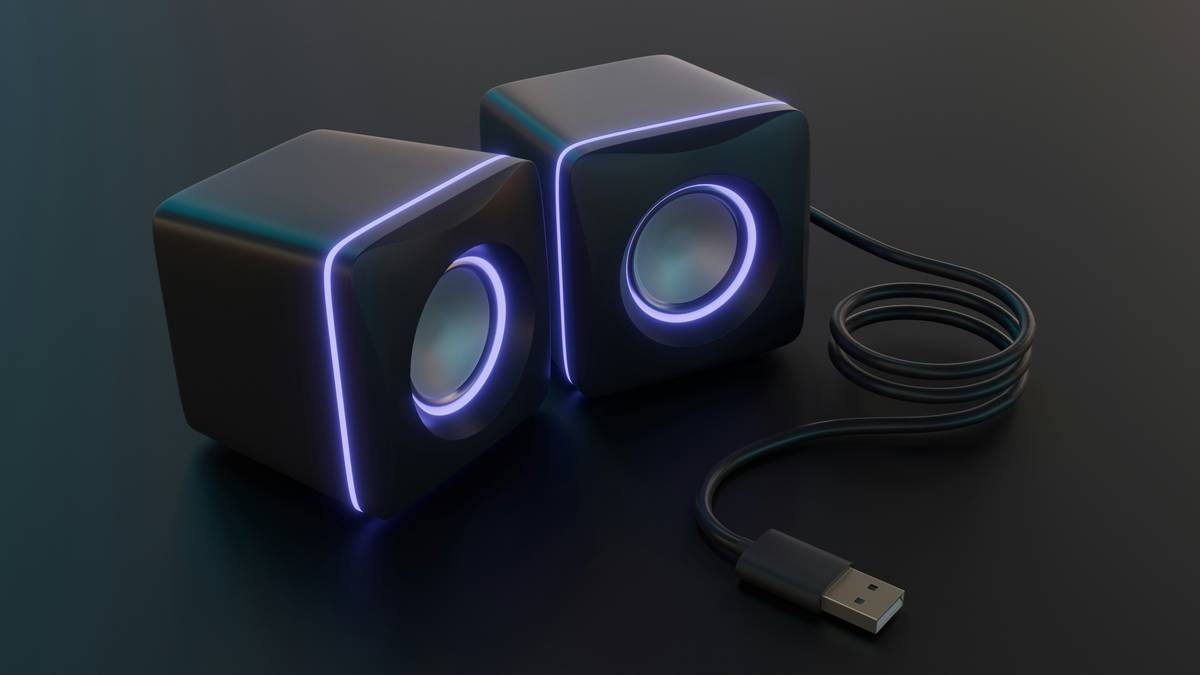
Let’s be blunt: most “gaming” speaker sets are repackaged office junk. They claim 2.1 or 5.1 surround—but their drivers distort at high volumes, bass response cuts off below 80Hz, and software “virtual surround” just smears stereo into muddy echoes.
And latency? Forget it. Bluetooth models add 150–300ms of delay. That’s enough to hear enemy shots *after* you’re dead. Even wired USB models often route audio through low-quality DACs baked into cheap PCBs. You’re not getting fidelity—you’re getting compromise.
Building a Real DJ System with Speakers for PC Gaming
Forget marketing fluff. A true dj system with speakers means components built for dynamic range, accurate imaging, and real-time response. Here’s how to assemble one without blowing your entire build budget.
Prioritize Active Studio Monitors Over Consumer “Gaming” Kits
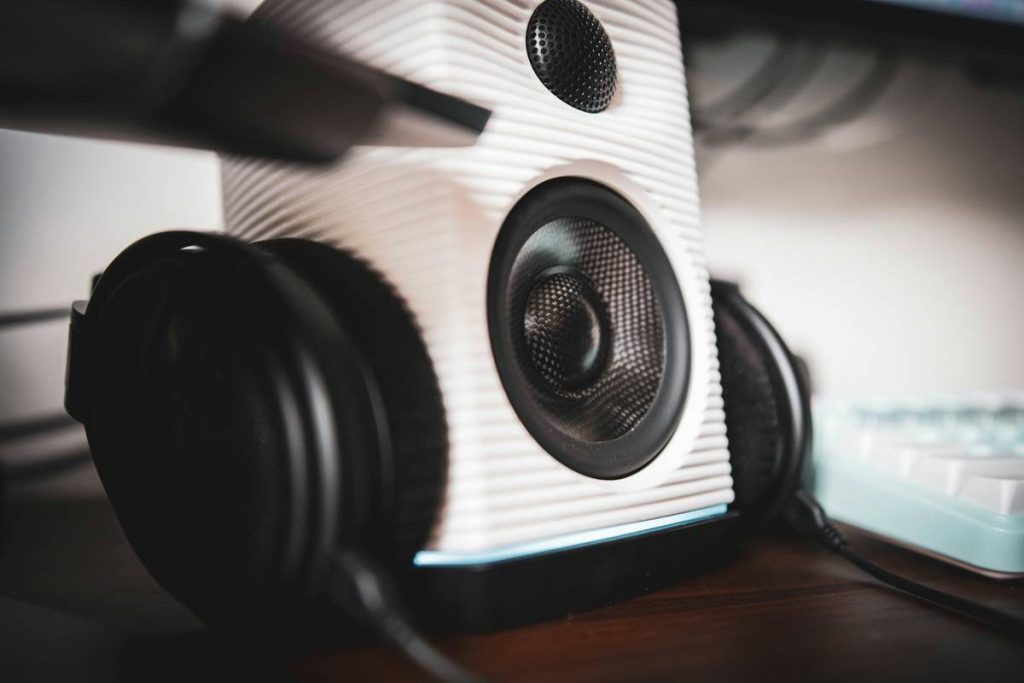
Active (powered) studio monitors are designed for flat frequency response—exactly what you need to hear subtle audio cues in games like CS2 or Escape from Tarkov. Passive speakers? They rely on external amps that often bottleneck signal quality.
Wired > Wireless (Always)
No debate here. Use a 3.5mm TRS or balanced XLR/TRS connection straight from your motherboard or dedicated sound card. Sub-10ms latency. Zero compression. Pure signal.
Add a Subwoofer Only if It Integrates Smoothly
Rumble sells. But a mismatched sub introduces phase issues—making explosions mask critical midrange sounds like reloading or distant voices. Choose a sub with adjustable crossover (80–100Hz ideal) and phase control.
| Component Type | Average Cost | Gaming Advantage | Pitfall to Avoid |
|---|---|---|---|
| Entry-Level Studio Monitors (e.g., PreSonus Eris E3.5) | $100–$150/pair | Clean mids, tight bass down to 65Hz | Too small for large rooms |
| Mid-Tier Powered Speakers (e.g., KRK Rokit 5 G4) | $250–$350/pair | Accurate imaging, room EQ controls | Overkill for casual play |
| DJ Controller + Passive PA Speakers | $400+ | Extreme SPL, club-grade durability | Massive overkill; excessive bass masking detail |
| Gaming “Surround” Speaker Sets | $80–$200 | RGB lighting, compact footprint | Poor transient response, fake surround |

The Industry Secret: DJs Tune Their Systems for Transients—So Should You
Here’s what no retailer tells you: professional DJs don’t chase “bass.” They chase transient response—how fast a speaker starts and stops vibrating. In EDM, that’s the snare crack. In gaming? It’s the shotgun blast or glass shatter.
Most consumer speakers smear transients because their cones are too heavy or crossovers are poorly tuned. Studio monitors use lightweight materials (like Kevlar or aluminum) and linear excursion designs to replicate attack instantly. The result? You hear enemies reloading *before* they peek—not after they frag you.
One underground trick: flip your left/right monitors. Gamers sit closer than music producers, so swapping channels centers the sweet spot right where your head lives. Try it. The difference shocks people.
FAQ
Can I use DJ speakers for gaming?
Yes—if they’re full-range, powered, and wired. Avoid passive PA speakers unless you own a high-end amp. For most gamers, studio monitors are smarter.
Do I need a sound card with a dj system with speakers?
Not always. Modern motherboards have decent onboard audio. But if you hear static or low volume, a $50 DAC/sound card (like Creative Sound BlasterX G6) cleans up the signal dramatically.
Are 2.1 speaker systems good for competitive gaming?
Only if the satellite speakers handle mids clearly. Many sacrifice vocal clarity for bass. Stick to 2.0 active monitors unless you can properly tune the subwoofer’s crossover.