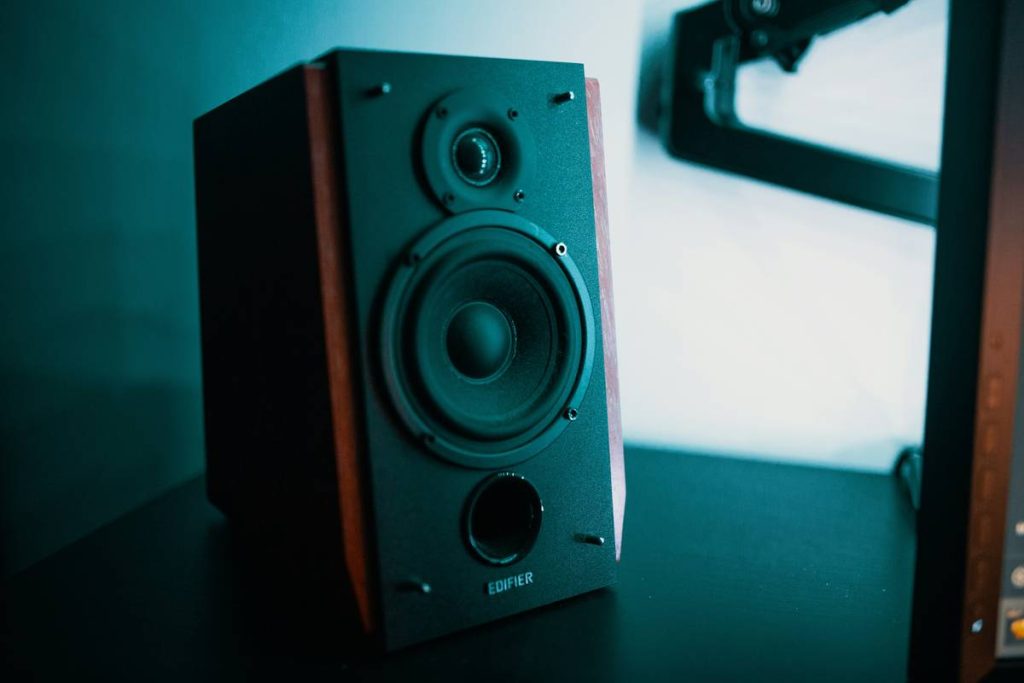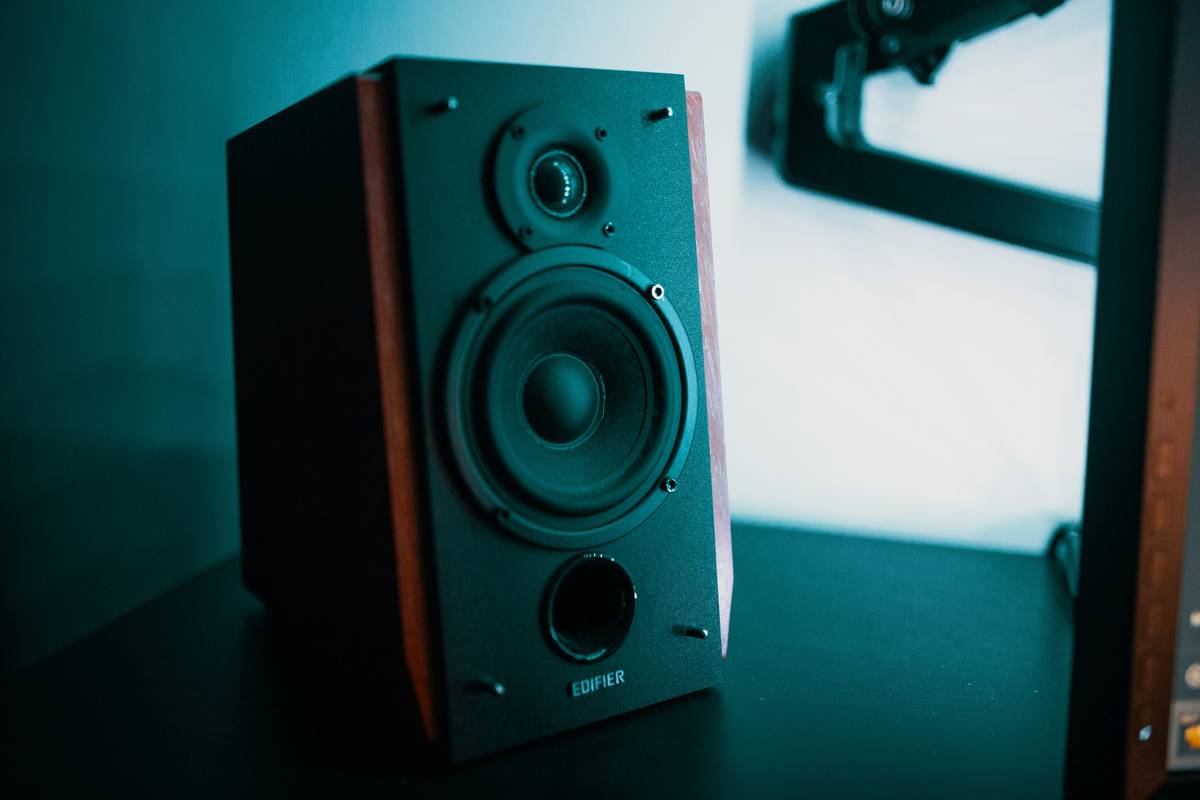
You’ve dropped $3,000 on a GPU that renders ray-traced explosions in 4K—but your audio still sounds like it’s coming from a tin can. Flat, lifeless, directionless. In competitive shooters or open-world RPGs, that lack of spatial awareness isn’t just immersion-breaking—it’s match-losing. Enter surround sound speakers ceiling setups: the underused weapon for gamers who demand true 360° audio precision.
Why Floor-Based Surround Systems Fail Gamers
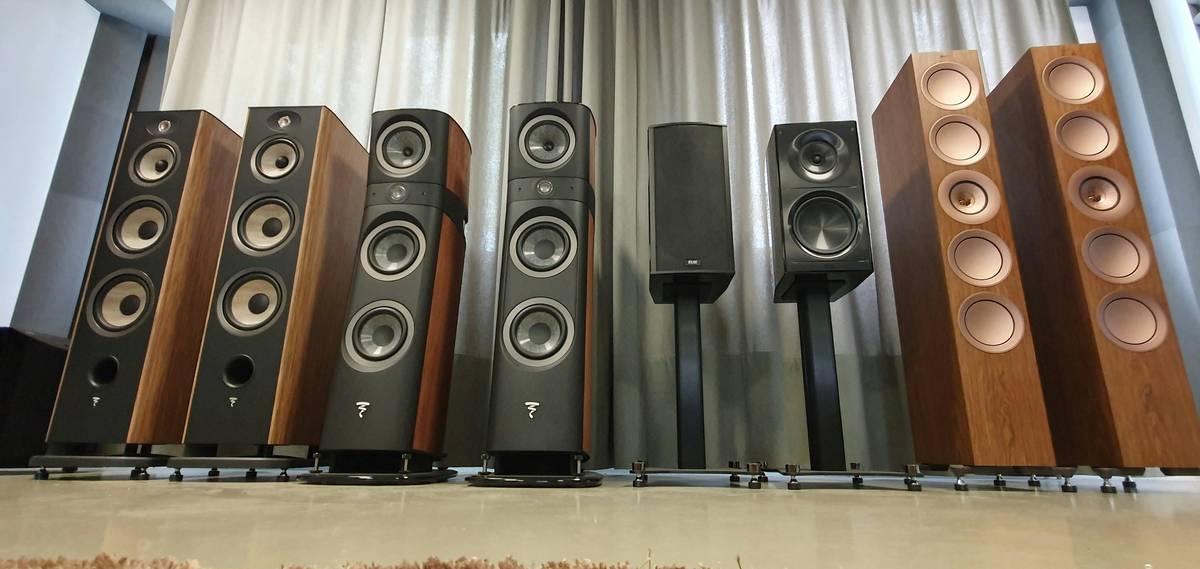
Traditional 5.1 or 7.1 speaker arrays hug the floor. They simulate height—poorly. Dolby Atmos via upward-firing drivers? A clever hack, but physics doesn’t lie: reflected sound smears transients and muddies overhead cues. Raindrops in Cyberpunk 2077. Helicopters in Battlefield. Footsteps from above in Valorant’s new map. If you can’t *feel* them descending, you’re half-deaf in-game.
And most “gaming” soundbars? They fake height with psychoacoustics—digital smoke and mirrors. It tricks casual listeners. Not you. Not when milliseconds decide victory.
How to Install True Ceiling-Mounted Surround Sound for Gaming
Forget gimmicks. Go native. Real overhead channels require real speakers—mounted where sound naturally originates: above you. Here’s how to do it right without tearing down drywall or blowing your entire build budget.
Step 1: Choose Your Format (Atmos vs. DTS:X)
Dolby Atmos dominates gaming PCs thanks to Windows Sonic and Xbox integration. DTS:X offers slightly better object rendering but fewer game-native supports. For 95% of gamers? Atmos is the pragmatic pick.
Step 2: Pick Ceiling Speakers That Don’t Suck
Not all in-ceiling speakers are created equal. Avoid cheap home-theater models with paper cones and flimsy crossovers. You need:
- Titanium or aluminum dome tweeters for crisp high-end (gunshots, glass shatter)
- Sealed or ported enclosures rated for gaming SPLs (85dB+ continuous)
- Magnetic shielding—CRTs are dead, but interference with monitors still happens
Step 3: Wiring & Amplification Strategy
If you’re retrofitting, use existing attic access or route cables through closets. No attic? Slim-profile speakers with paintable grilles hide well in drop ceilings. Power matters: pair with an AV receiver that supports 7.2.4 or higher—or go full PC-native with a dedicated 7.1.4 sound card like the Creative Sound BlasterX AE-5 Plus.
| Setup Type | Cost Range | Immersive Accuracy | Gaming Readiness |
|---|---|---|---|
| Upward-firing soundbar | $300–$800 | Low (simulated) | Plug-and-play, limited spatial fidelity |
| Floor-standing 7.1 system | $600–$1,500 | Medium (no true height) | Great for movies; poor verticality in games |
| Ceiling-mounted Atmos (4 overhead + base) | $900–$2,200 | High (true 3D audio) | Optimal for FPS, flight sims, horror titles |
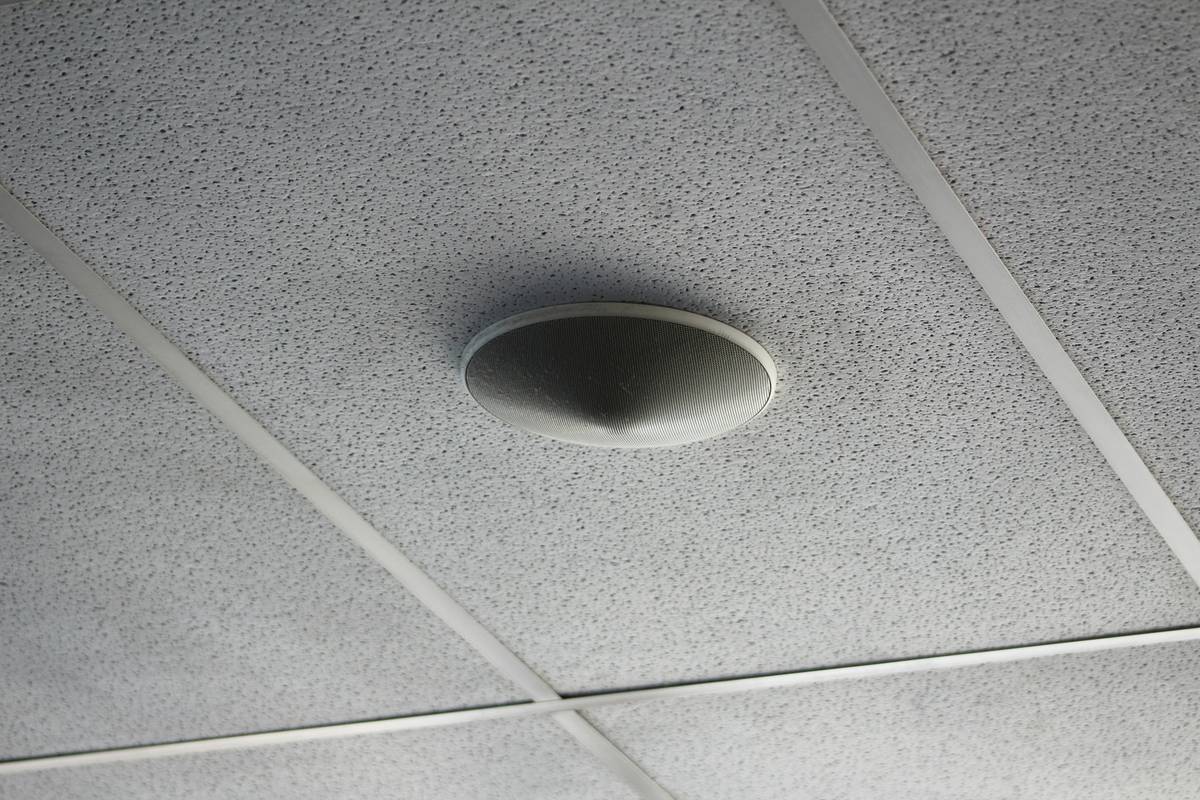
The Industry Secret: Most Pros Use Hybrid “False Ceiling” Arrays
Here’s what no marketing brochure tells you: pro esports training houses rarely drill into structural ceilings. Instead, they build suspended “audio clouds”—lightweight frames hung 8–12 inches below the actual ceiling, housing compact directional speakers. Why? Two reasons: acoustic isolation (no vibration transfer to building structure) and modular repositioning. When devs tweak audio engines (looking at you, Fortnite Chapter 6), they adjust speaker angles overnight—not rewiring walls. You can DIY this with PVC conduit, aircraft cable, and $200 worth of angled brackets. The result? Pinpoint accuracy without permanent construction. And yes—it passes Discord voice chat clarity tests too.
Frequently Asked Questions
Do I need special games to use surround sound speakers ceiling?
No. Any game with positional audio (most AAA titles since 2018) benefits. Even older games gain immersion via Windows Sonic or Dolby Access upmixing.
Can I use ceiling speakers with headphones?
Not simultaneously for the same output—but many mixers let you switch between speaker and headphone profiles instantly. Keep both for flexibility.
Are in-ceiling speakers safe near water pipes or wiring?
Always use IC-rated (insulation contact) speakers if near insulation or conduits. Hire an electrician if routing near live AC lines—but low-voltage speaker wire is generally safe with proper sheathing.